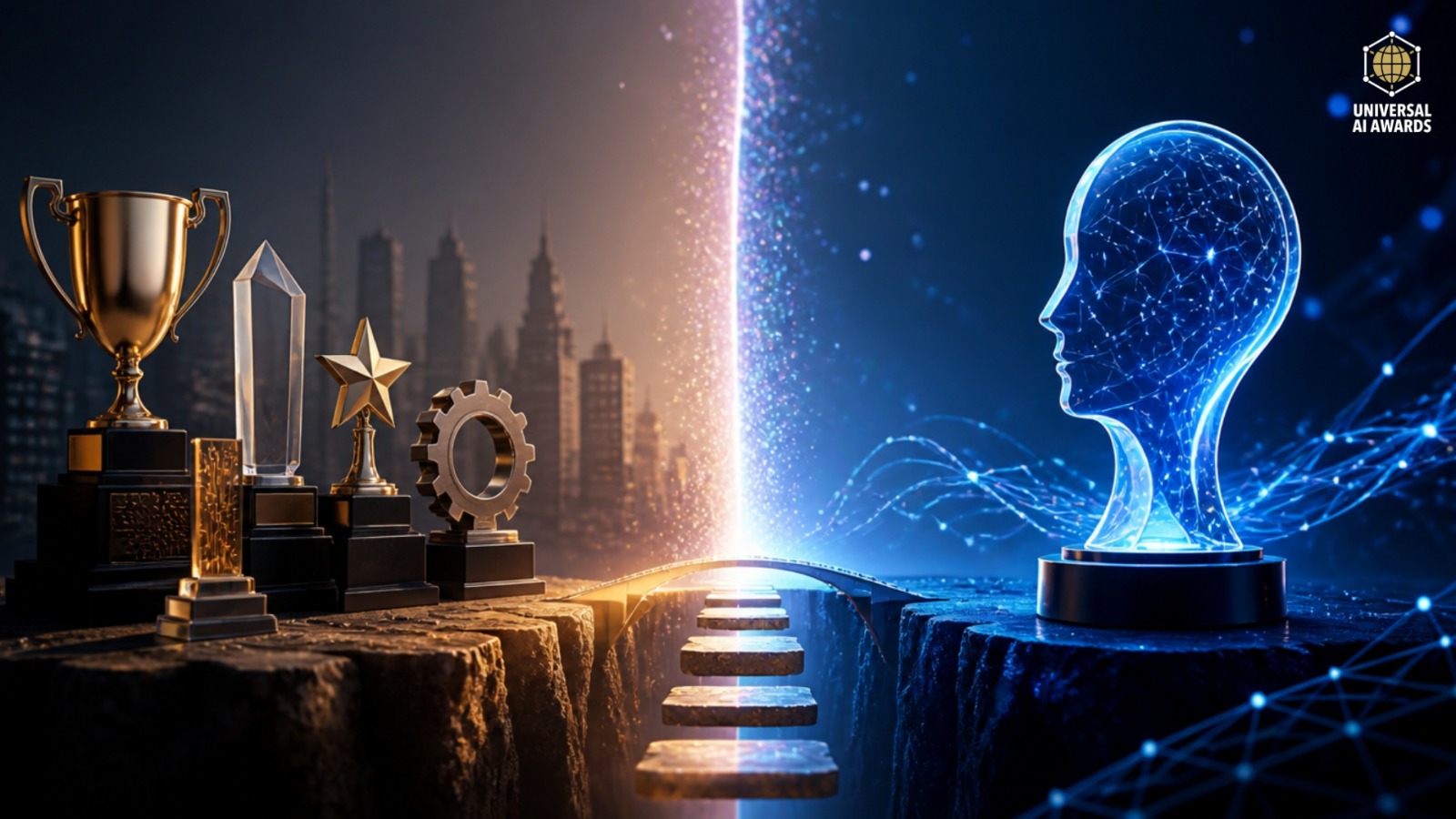
AI changes how modern companies build tools and serve customers every single day. Industry prize programs celebrate top achievements across software, hardware, and engineering teams. However, company leaders now debate AI vs. technology awards across major business fields. Traditional tech trophies cannot capture the true depth of machine learning tools.
Modern companies launch smart algorithms to automate big tasks and boost sales. Yet, intelligent computer models bring unique risks that classic software never faced. Therefore, winning modern AI recognition requires more than showing speed or raw power. True excellence demands safety, fairness, and deep accountability across all digital operations. Leaders must look for honors that evaluate these vital elements thoroughly and fairly.
Understanding AI Awards and Technology Awards
Classic programs score software tools based on speed, uptime, and user screen design. These familiar technology awards celebrate clean code, digital networks, and dependable cloud tools. They reward engineering teams that build stable programs to solve everyday business puzzles. Most traditional programs focus on whether a digital tool works smoothly under heavy user traffic.
In contrast, specialized programs evaluate how smart algorithms make real-world choices. These initiatives use strict rules to award prestigious AI recognition to progressive firms. Judges inspect model accuracy, training data quality, and fairness across varied user groups. They also verify how well systems explain automated results to everyday human users.
The main differences center on system autonomy, learning speed, and unexpected model drift. Standard software performs fixed tasks. On the other hand, machine learning models adapt and change over time. Achieving authentic AI recognition proves that an organization manages dynamic algorithm changes responsibly. Companies must demonstrate robust testing frameworks to ensure long-term model safety and reliability. These programs help buyers spot vendors who take safety seriously.
Why AI Innovation Requires Specialized Recognition
Smart algorithms operate with massive complexity compared to traditional corporate database software. Multi-layered neural networks process huge datasets to detect hidden patterns and create content. This technical complexity makes AI innovation tough to evaluate through standard software benchmarks. Reviewers must assess data sources, model drift, and underlying math strength.
Ethical concerns also demand dedicated evaluation frameworks for modern machine learning tools. Autonomous systems can accidentally amplify unfair bias in hiring or loan decisions. Consequently, meaningful AI recognition requires proof. It must team with actively testing and removing algorithmic bias. Judges inspect if firms protect user privacy and respect human rights during model deployment.
Furthermore, strict governance rules and broad social impacts reshape modern enterprise software rollouts. A flawed algorithm can harm vulnerable communities. It can even spread false stories or leak trade secrets. True AI innovation pairs bold technical performance with strict compliance and risk controls. Industry recognition must honor developers who build safe tools that benefit broader society. Responsible AI engineering deserves focused praise and independent validation from qualified peers.
Key Differences Between AI Awards and Technology Awards
Comparing AI awards vs. technology awards reveals distinct evaluation criteria and scoring rules. Classic programs reward fast market adoption, revenue milestones, and clean interface designs. However, artificial intelligence programs evaluate whether models operate safely, accurately, and without bias. Evaluators assess the entire data lifecycle rather than just analyzing the user screen.
Risk assessment represents another fundamental divide when comparing AI awards vs. technology awards. Standard software judges rarely audit programs for toxic outputs or algorithmic errors. In contrast, AI judges demand clear proof of safety testing and red-teaming practices. They reward organizations that build strong safeguards against unexpected software failures and security threats.
A strong focus on responsible systems sets modern machine honors apart from standard technology awards. Winning teams must prove that human supervisors keep meaningful control over automated choices. They demonstrate open documentation practices through model cards and clear data records. These strict guidelines make sure that industry recognizes sustainable and long-lasting business value.
The Growing Importance of AI Recognition in 2026
Machine learning adoption by enterprise increases in all major industries of the world in 2026. Organizations no longer consider intelligent algorithms just experimental toys or marketing gimmicks. Instead, organizations integrate neural networks into core banking, healthcare, and retail supply chains. AI recognition is a sign to enterprise buyers that a company offers reliable tech.
Government authorities around the world mandate algorithmic compliance and transparency. Enterprise buyers seek industry certification before acquiring machine software. Innovative AI is best distinguished by validation from an independent expert. They judge it in terms of its safety, performance, and reliability. Earning recognition will give innovative companies an immediate edge in a cluttered market space.
Industry leadership goes beyond showing product demonstrations on social media platforms. Leading enterprises prove their ongoing commitment to ethical care and open governance habits. Achieving prestigious AI recognition helps innovative companies attract top engineering talent. These honors separate genuine market leaders from firms that make exaggerated promotional claims.
Choosing the Right Recognition Program
Business leaders must match their award nominations with specific commercial goals and milestones. If your team built a classic cloud system, traditional software honors fit best. However, navigating AI awards vs. technology awards depends on your core product architecture. Choose programs that highlight your specific technical strengths and competitive market edges.
Consider whether your entry highlights algorithmic breakthroughs or general business process automation. If your project showcases proprietary neural training and ethical oversight, pursue specialized honors. Earning targeted AI recognition validates your deep technical expertise and builds customer trust. Select reputable programs that use independent expert panels with genuine machine learning backgrounds.
FAQs
What is the difference between AI awards and technology awards?
Technology honors evaluate software performance. However, AI honors evaluate algorithms, ethics, and data fairness.
Why do AI innovations require separate recognition?
Machine learning systems evolve. Thus, they need dedicated auditing for bias, safety, and governance issues.
What criteria are used in AI recognition programs?
Judges look at the accuracy of the model, data quality, risk management, algorithmic fairness, and business impact.
Are AI awards more focused on governance and ethics?
Yes, AI honors prioritize responsible development, safety testing, plain explanations, and human oversight.
Who should apply for AI awards?
Foundation model creators, enterprise adopters, applied software vendors, and machine learning infrastructure builders should apply.
Can organizations apply for both AI awards and technology awards?
Yes, firms can submit standard software for tech honors and neural models for AI honors.